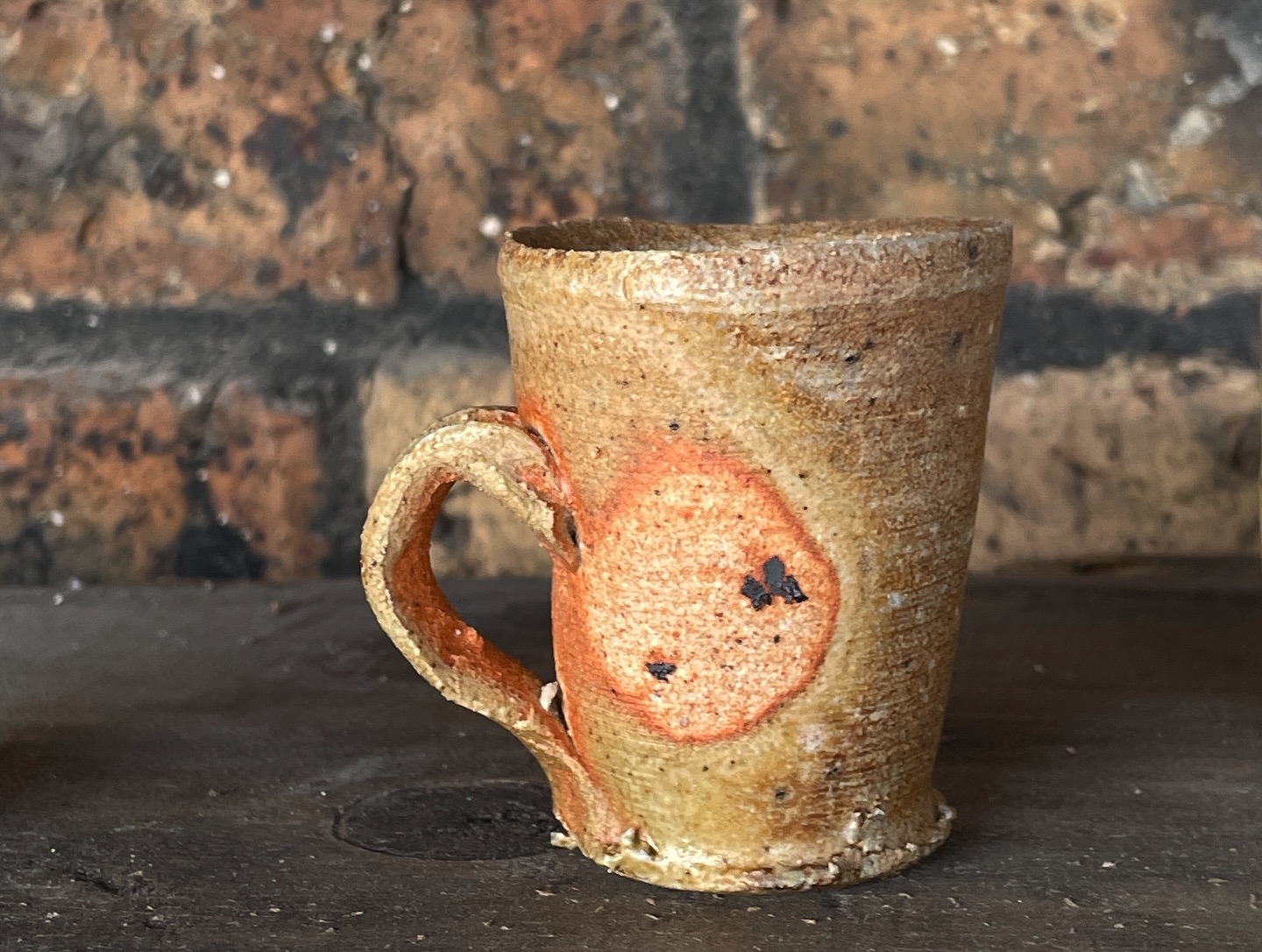
I have been starting on a path of exploring high percentages of cordierite in clay bodies.
Cordierite is one of the minerals which is commonly used for making kiln furniture, and its a magnesium alumino silicate. I like magnesium, I like alumina, and I love silica so I thought this would be a cool material to explore a little bit in clays in higher-than-grog proportions. (Cordierite is often used to grog white bodies as a cheaper alternative to molochite). I have experimented with getting magnesium in to my clay bodies with talc in the past, and some fairly interesting results came out at that time so it feels like a good time to revisit what magnesium brings to the party when the body forms a glass with the volatile soda in the kiln.
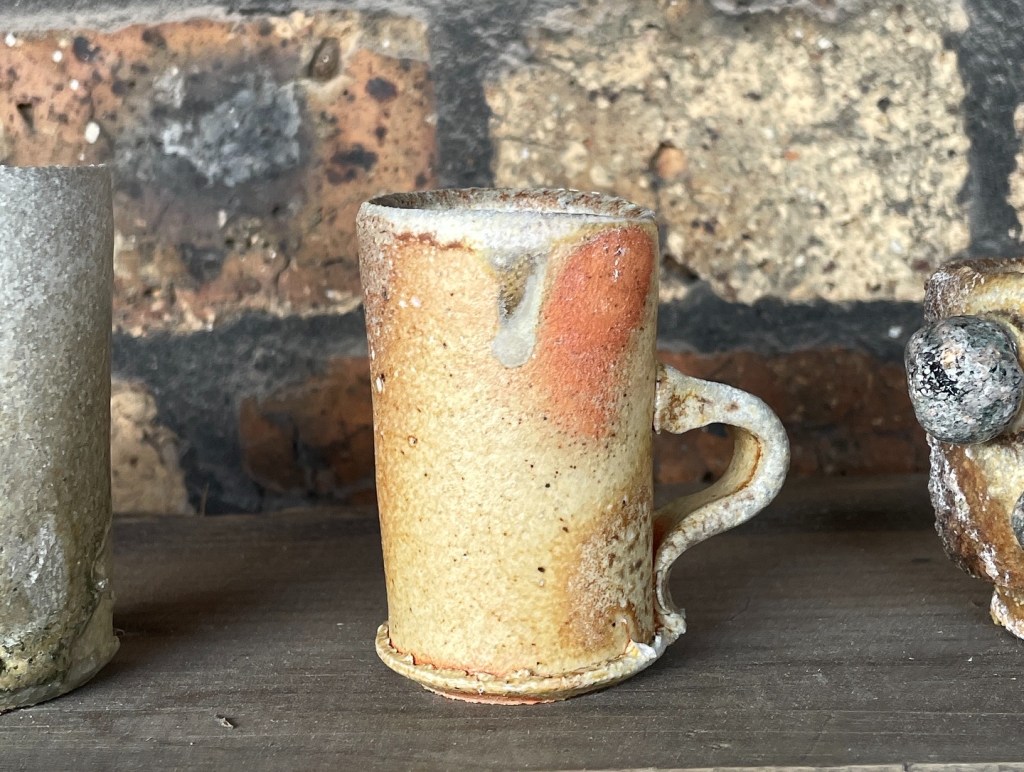
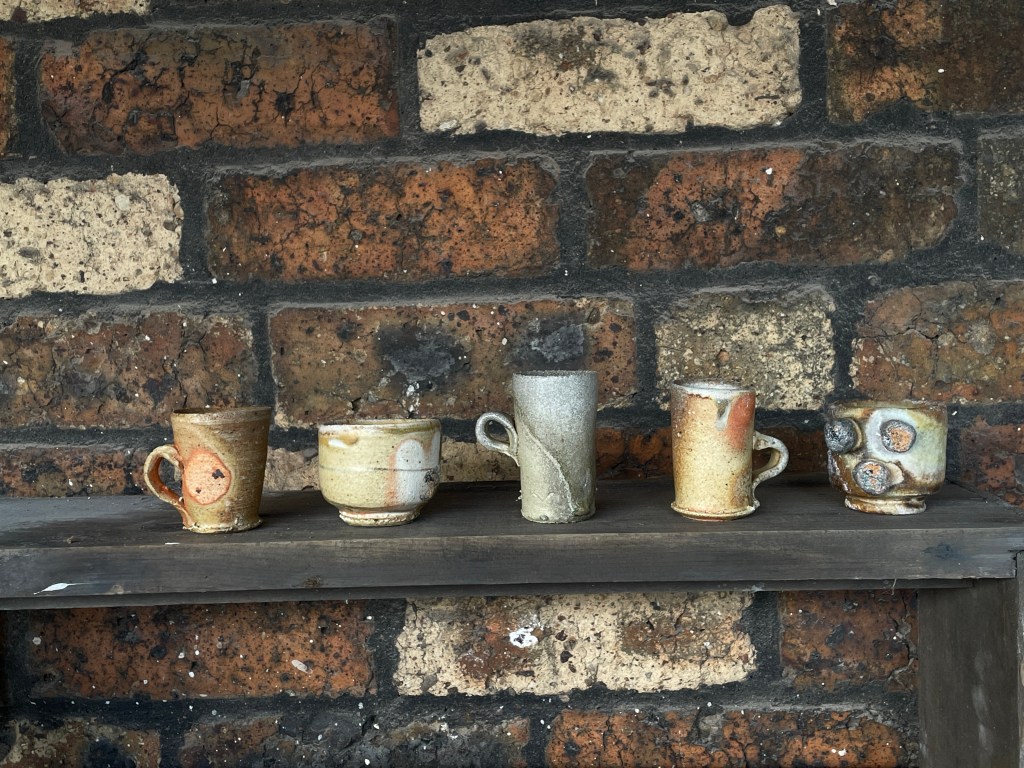
There was one problem, though. I wanted to maximise the amount of cordierite in my clay bodies, but cordierite is a non-plastic material meaning all of the bodies would certainly be challenging to work with – and my god were they. Here are the results from the initial test run of 7 bodies.
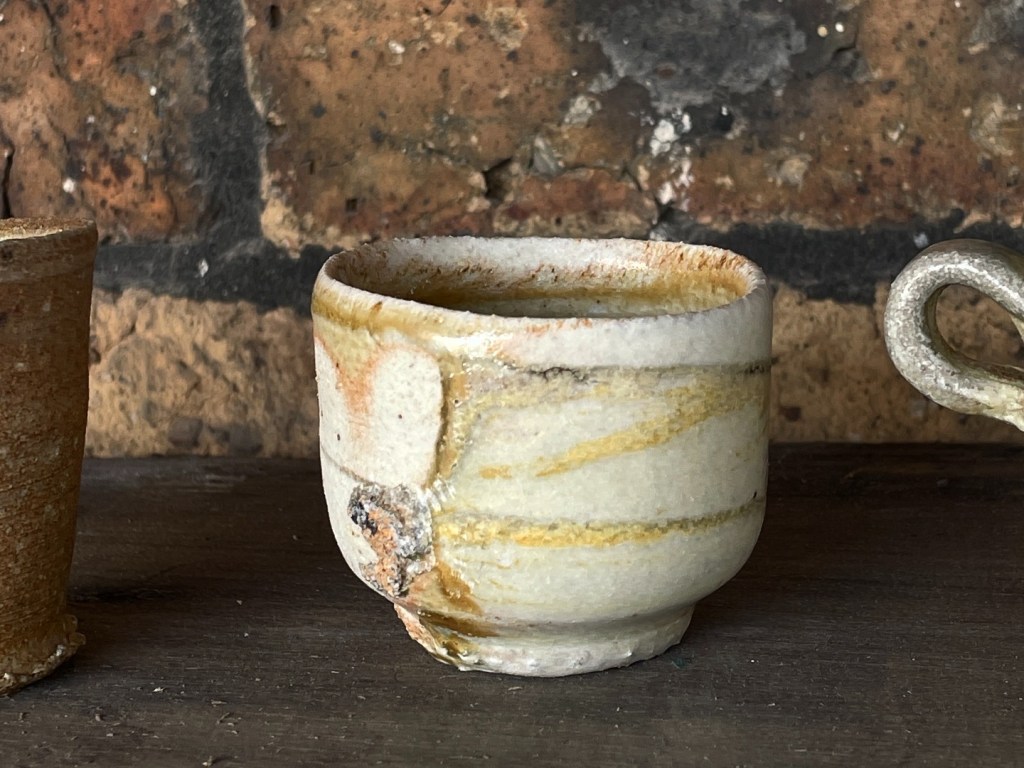
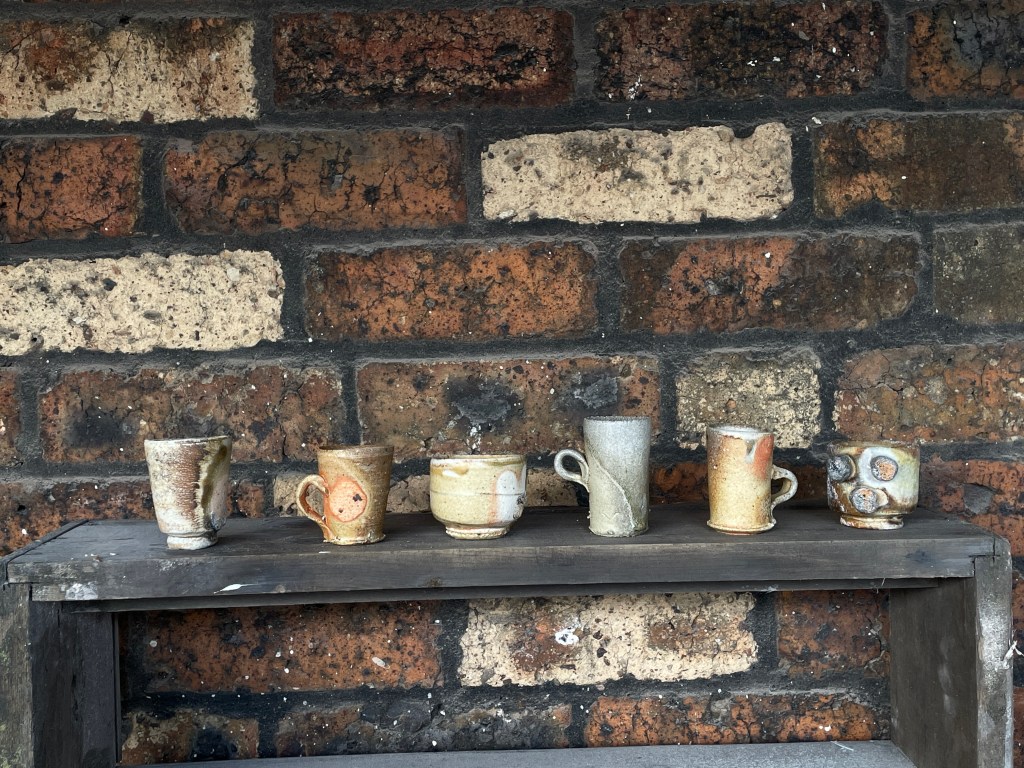
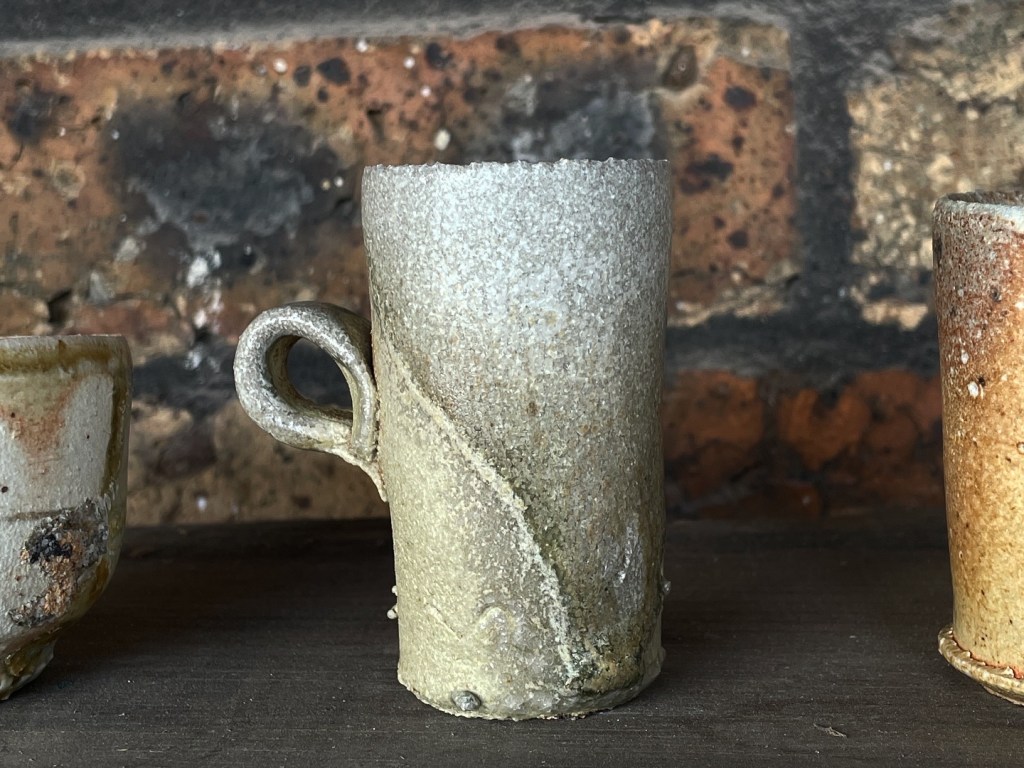
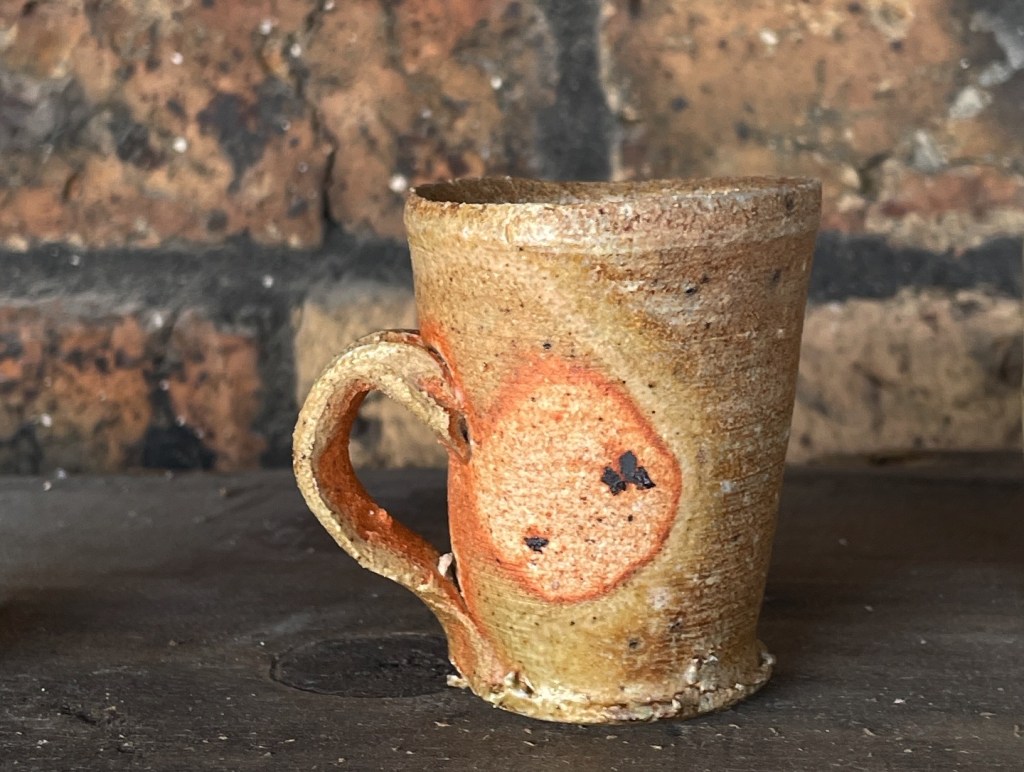
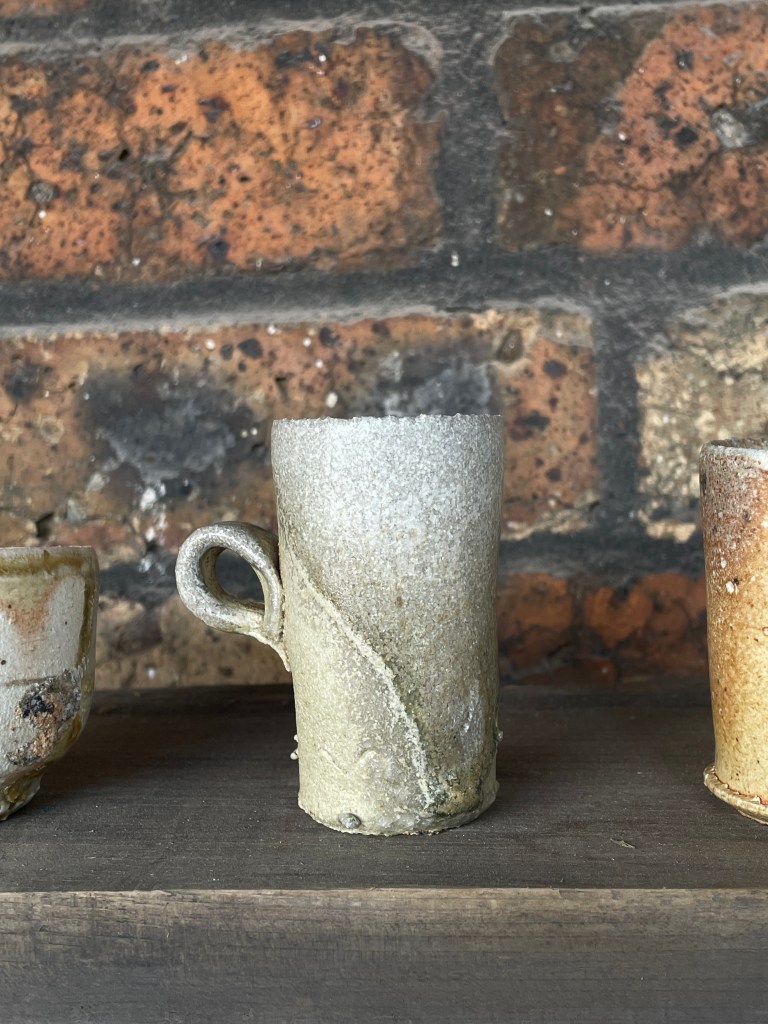
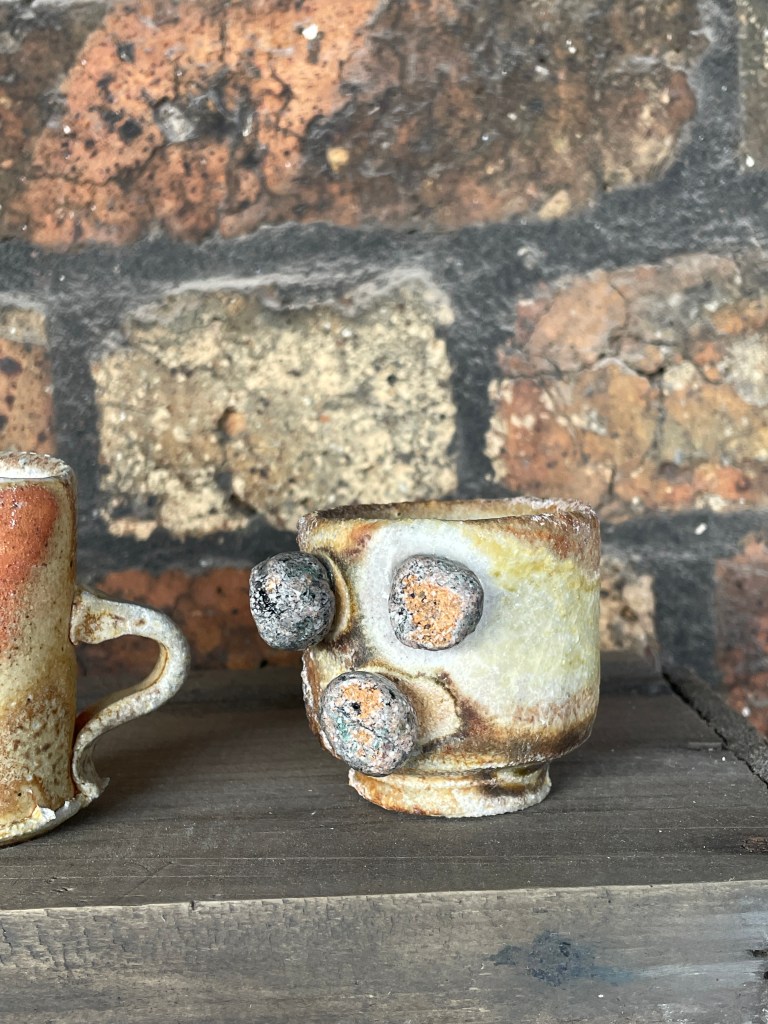
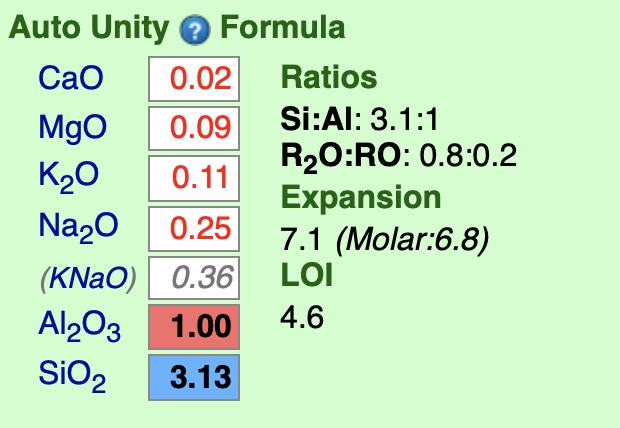
This time, I took quite an empirical approach to making these bodies. I selected from a small pallet of my favourite materials (the same ingredients you always come back to in your kitchen), and blended in basically equal proportions, before checking the analysis on Insite Live. If the silica alumina ratio fell between 2.5-3.7:1 then I didn’t make any amendments. If it fell outside of that, I adjusted the ratios on Insite Live to bring them back within that range.
Luckily, the body that piqued my interest the most was also not the worst to work with – this was thanks to an extremely plastic ball clay being in the mix called excelsior. However that particular clay is now getting more difficult to find, and as I have been asking around it seems unless you order a tonne you pretty much cannot get it… so I am going to re-run the test with Puraflo AK which is also very plastic (though less high in both titanium and iron than the one I am using)
In general the cordierite bodies seem to be able to take the very heaviest spots in the kiln without too much trouble. This was sort of what I thought, as the kiln furniture survives several rounds of heavy blast of soda before showing too many signs of taking on soda glass. The formulations developed varying degrees of successful glaze layer.
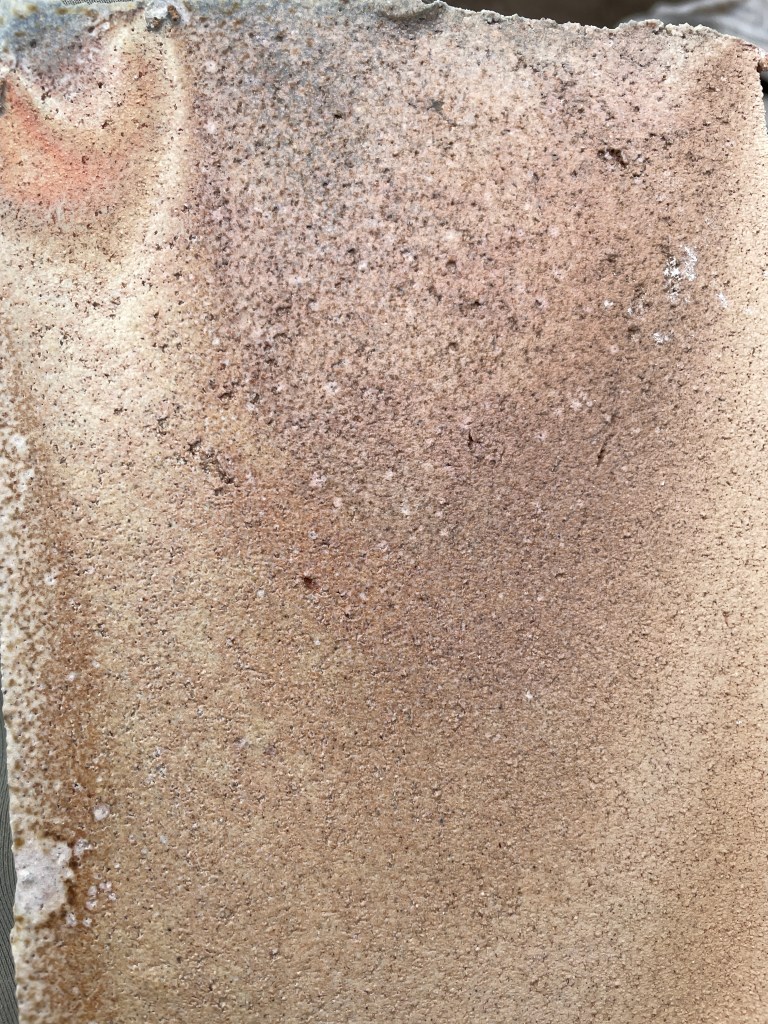
I have since continued working with one of the initial tests, firing it in a couple of kilns since the initial test run. One of which was a much softer touch, less heavily reduced firing, which generated some really lovely flame marks which I am super in to and want to explore some more. That firing was led by Emily who was using a lot of higher iron slips that blush really great colours when the reduction isn’t too heavy. She also had very little carbon trapping in that firing, so I am hoping if in the next firing I follow the first part of her firing, go in to body reduction, then soda I can get a better balance between the pots that carbon trap and those that do not.
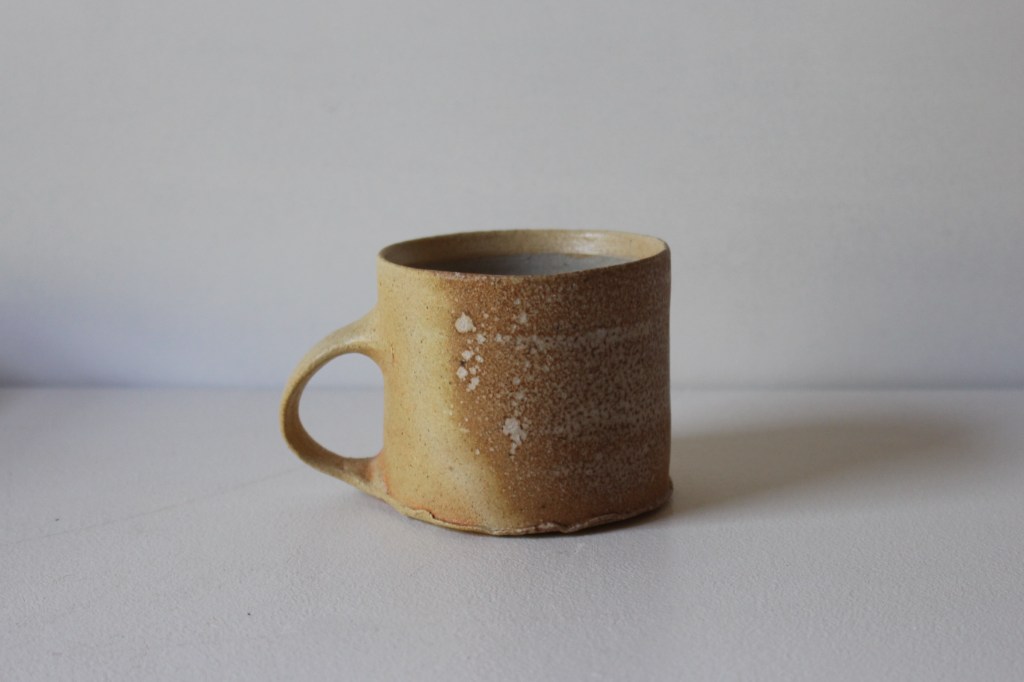
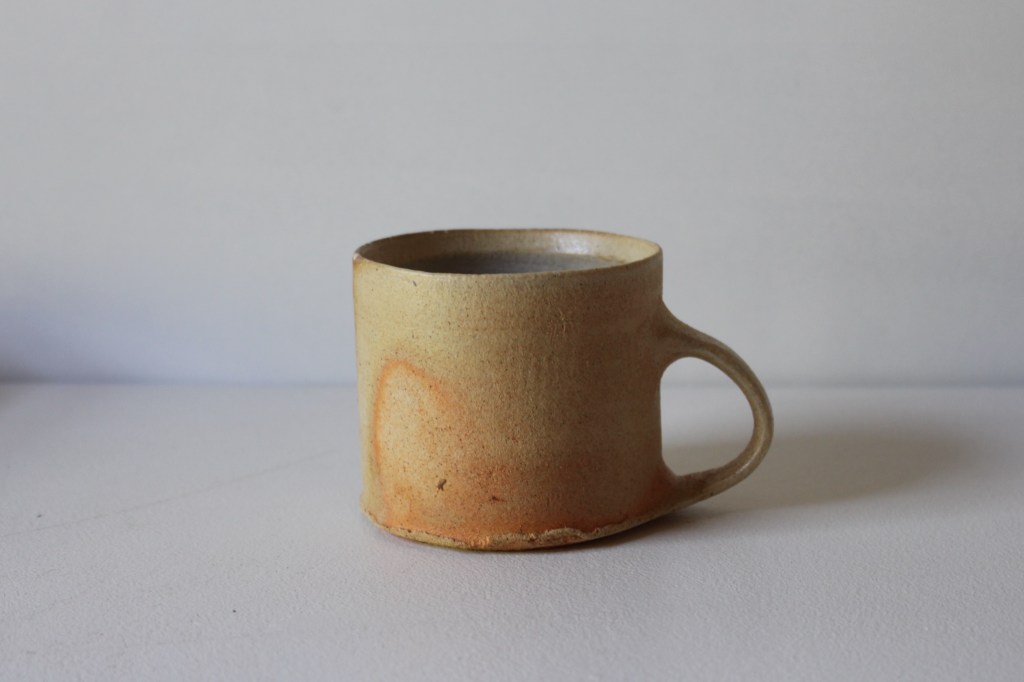
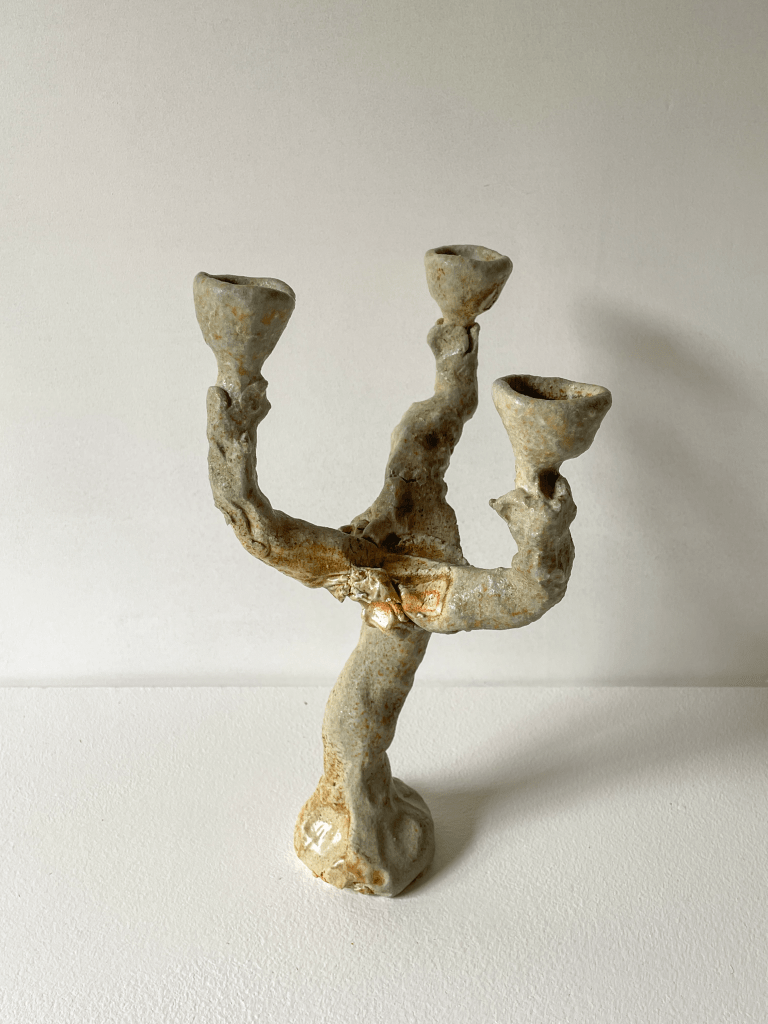
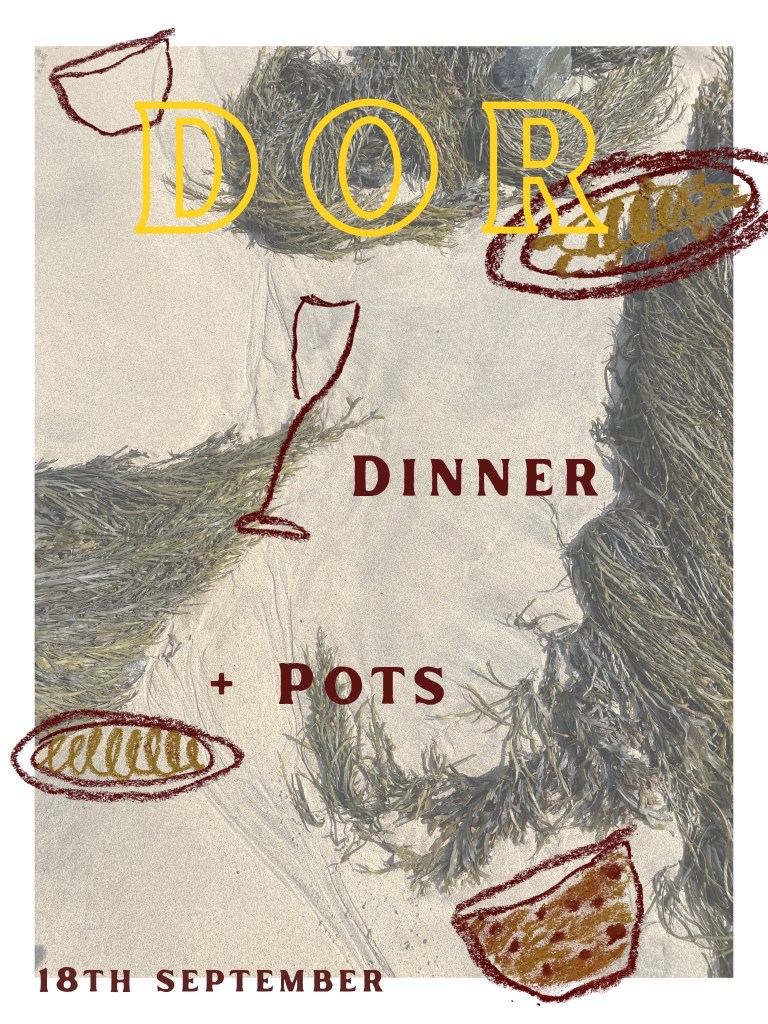
I am using this clay body to develop some wine goblets for DOR: a dinner + pots. DOR is a one-night collaboration between chef Tash Goodridge and potters Hamish Jackson, Kat Wheeler, Callum Forbes & Samuel Hayward . A four-course seasonal dinner is served on handmade ceramics created especially for the event. Ticket includes one 4 course meal + glass of wine on arrival. You can also just visit the exhibition to see the pottery on the 19th. Hope you can make it!

 Callum Forbes
Very cool Callum I look forward to seeing these in the flesh and seeing how they differ to your other clay bodies! E xx
Sent from Outlook for iOShttps://aka.ms/o0ukef ________________________________
LikeLike